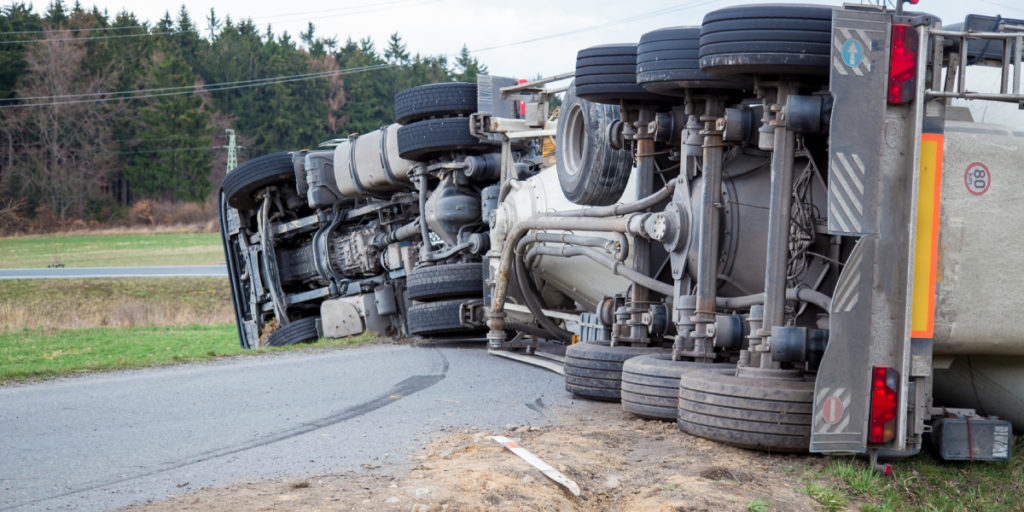
SH 16 Truck Accidents on the Southwest Side

This Blog was brought to you by the Carabin Shaw Law Firm – Personal Injury Attorneys, Principal Office in San Antonio

SH 16 Truck Accidents on the Southwest Side of San Antonio

State Highway 16 (SH 16) is a vital transportation corridor running through the Southwest Side of San Antonio, connecting urban centers to rural and industrial areas of South Texas. This highway supports a significant volume of commercial traffic — 18-wheelers, oilfield trucks, agricultural haulers, and flatbed trailers. While essential for commerce, the mix of large commercial vehicles and passenger cars on SH 16 creates a high-risk environment for serious and often catastrophic collisions.

Our truck accident lawyers in San Antonio explain more here

If you or a loved one has been injured in a truck accident on SH 16, understanding the common causes, potential liability, and the complexities of commercial truck accident claims is important. The San Antonio 18-wheeler accident lawyers at Carabin Shaw are experienced in handling these cases and can help you explore your legal options.

More from our San Antonio Truck – 18 wheeler accident lawyers

Why SH 16 Is a High-Risk Route for Truck Accidents

The Southwest Side of San Antonio is a rapidly developing area with a blend of residential neighborhoods, commercial centers, and industrial zones. SH 16 transitions from multi-lane divided highways near the city to narrower two-lane roads as it extends south toward Poteet and beyond. Drivers on this route face changing speed limits, frequent intersections, and heavy truck traffic that must handle wide turns and complex maneuvers.

Large commercial trucks can weigh 20 to 30 times more than passenger vehicles, which significantly increases the severity of collisions involving these vehicles. According to the Insurance Institute for Highway Safety (IIHS), in fatal crashes involving large trucks in 2023, 65% of fatalities were occupants of passenger vehicles. Large trucks accounted for only 5% of registered vehicles but represented 10% of vehicle miles traveled, underscoring their disproportionate involvement in serious crashes.

Commercial trucks also require much longer distances to stop, especially when fully loaded or traveling on wet or slippery roads. On SH 16, sudden traffic slowdowns, construction zones, or vehicles turning into industrial sites can create dangerous situations if truck drivers fail to maintain safe following distances. The height and ground clearance of these trucks create underride risks, where smaller vehicles can slide beneath the trailer in a collision, often resulting in severe injuries or fatalities.

Common Causes of 18-Wheeler Accidents on SH 16

Every truck accident is unique, but investigations often reveal recurring factors contributing to crashes on SH 16. The Federal Motor Carrier Safety Administration’s (FMCSA) Large Truck Crash Causation Study provides detailed insights into the causes of commercial truck accidents nationwide, many of which apply to San Antonio’s roadways.

Driver Fatigue and Hours of Service Violations

Fatigue is a major risk factor in truck crashes. FMCSA regulations limit the number of hours commercial drivers can operate without rest, but some drivers and companies may violate these rules to meet tight delivery schedules. Fatigued drivers have slower reaction times and impaired judgment, increasing the risk of falling asleep at the wheel on long stretches of SH 16.

Speeding and Aggressive Driving

Pressure to deliver cargo on time can lead some truck drivers to speed or drive aggressively. Speeding reduces the ability to react to changing traffic conditions and increases crash severity. Aggressive behaviors such as tailgating or unsafe lane changes can leave little room for error on busy highway sections.

Distracted Driving

Operating a large commercial vehicle requires full attention. Distractions like texting, using dispatch devices, eating, or adjusting controls can divert a driver’s focus for critical seconds. At highway speeds, even brief distractions can prevent a driver from reacting to slowing traffic or hazards on SH 16.

Poor Vehicle Maintenance and Equipment Failure

Commercial trucks endure heavy use and require regular maintenance. FMCSA mandates inspections and maintenance standards, but some companies may neglect these duties to save costs. Brake failures, tire blowouts, and steering malfunctions caused by poor maintenance can lead to loss of control and serious crashes.

Wide Turns and Blind Spots

Due to their size, 18-wheelers need wide turning radii and often swing into adjacent lanes to complete turns. Passenger vehicles caught in a truck’s blind spots — known as “No Zones” — are at risk during these maneuvers. Failure to signal or check mirrors properly can result in collisions at intersections along SH 16.

Investigating Truck Accidents on SH 16: Evidence and Liability

Truck accidents differ from typical car crashes because they involve complex factors and multiple potential liable parties. Trucking companies often have rapid response teams to protect their interests, making it critical for victims to act quickly to preserve evidence.

An attorney experienced in commercial truck accidents can investigate the crash scene, work with experts, and obtain key evidence that may be crucial to proving liability and damages.

Key Evidence in Commercial Truck Accident Claims

Evidence Type What It Shows Why It Matters for Liability
Electronic Logging Devices (ELD) Driver’s hours, rest periods, and duty status Helps prove Hours of Service violations and driver fatigue
Black Box / ECM Data Speed, braking, throttle, and engine data at crash time Provides objective data on truck and driver actions
Maintenance and Inspection Records History of repairs, inspections, and pre-trip checks Reveals possible negligence in vehicle upkeep
Dispatch Records and Bills of Lading Cargo details, delivery schedules, and driver communications May show pressure to speed or violate safety rules
Driver Qualification Files Licensing, training, medical certification, and infractions Can indicate negligent hiring or retention by trucking company
Photos, Videos, and Witness Statements Scene conditions, vehicle positions, and eyewitness accounts Supports reconstruction and liability analysis
Crash Reconstruction Reports Expert analysis of crash dynamics and causation Helps clarify fault and accident mechanics

Potentially Liable Parties in SH 16 Truck Accidents

Liability in commercial truck crashes can be complex and may involve multiple parties depending on the facts:

  • Truck Driver: May be liable for negligence if speeding, distracted, fatigued, impaired, or driving recklessly.
  • Trucking Company: Can be vicariously liable for driver actions and directly liable for negligent hiring, training, maintenance, or pressure to violate safety regulations.
  • Cargo Loaders: Responsible for properly securing freight; failure can cause shifting loads or rollovers.
  • Vehicle or Part Manufacturers: May face product liability claims if defective parts contributed to the crash.

An attorney can investigate these parties and gather evidence to support claims against those responsible.

How Carabin Shaw Can Help After a Truck Accident on SH 16

The aftermath of a commercial truck accident can be overwhelming. Victims may face serious injuries, medical bills, lost income, and emotional distress. Insurance companies may attempt to minimize payouts or shift blame.

Carabin Shaw’s San Antonio truck accident lawyers understand the complexities of these cases and the impact on victims and families. We can manage all aspects of your claim:

  • Conducting thorough investigations and evidence collection
  • Consulting with accident reconstruction and trucking experts
  • Negotiating with insurance companies
  • Pursuing compensation that may be available under Texas law for medical expenses, lost wages, pain and suffering, property damage, and more

We offer a No Win, No Fee arrangement, so you do not pay attorney fees unless we recover compensation for you. Our team is available in both English and Spanish to assist San Antonio and Bexar County residents.

Contact a San Antonio 18-Wheeler Accident Lawyer Today

If you or a loved one has been injured in a commercial truck accident on SH 16 or other San Antonio roadways such as Loop 410, I-35, or I-10, it is important to seek legal advice promptly. Early action can help preserve critical evidence and protect your rights.

Contact the experienced San Antonio 18-wheeler accident lawyers at Carabin Shaw for a free, no-obligation consultation. Call us today at 800-862-1260 to discuss your case in English or Spanish.

References

Truck Steering System Failures: Causes, Liability, and Legal Help

Published by J.A. Davis & Associates – San Antonio Truck Accident Attorneys

Truck Steering System Failures: Causes, Liability, and Your Legal Rights

Steering system failures in commercial trucks create some of the most dangerous and unpredictable crash scenarios on Texas highways. When a fully loaded 18-wheeler loses steering control, the driver’s ability to respond is limited and the consequences for surrounding vehicles are often catastrophic. These failures rarely occur without warning — they are typically the result of deferred maintenance, improper repairs, defective components, or a combination of factors that experienced truck accident attorneys know how to identify and prove.

Federal regulations require trucking companies to maintain steering systems in safe operating condition. Annual inspections must include detailed steering system checks, and drivers are required to inspect and report steering problems through daily vehicle inspection reports. When trucking companies ignore these requirements and allow vehicles with known or developing steering problems to remain in service, they create liability for every accident that results from those failures.

San Antonio Road Conditions and Steering System Stress

San Antonio’s road conditions present particular challenges for commercial truck steering systems. Ongoing construction zones on I-35, Loop 1604, and Loop 410 create uneven surfaces, debris, and sudden lane changes that stress steering components. Stop-and-go traffic requires constant steering adjustments that accelerate wear on power steering systems. Texas heat affects hydraulic fluid viscosity and can cause system overheating. Potholes and surface irregularities on aging infrastructure damage steering components progressively, creating failures that appear sudden but have been developing for miles. With the volume of commercial vehicles traveling San Antonio’s highways daily, the concentration of trucks with deferred maintenance operating in challenging conditions creates consistent risk for other motorists.

How Steering Failures Cause Crashes

Steering system failures create several distinct and dangerous crash scenarios. Lane departure occurs when trucks drift into adjacent lanes or off the roadway without the driver’s ability to correct. Jackknife accidents result when loss of steering control causes trailers to swing around and block multiple lanes. Rollover crashes happen when drivers attempt overcorrection after partial steering loss or when steering fails suddenly at speed. Head-on collisions occur when trucks cross center lines into oncoming traffic. Multi-vehicle accidents frequently involve secondary crashes as other drivers swerve to avoid an uncontrolled truck and collide with each other.

Modern trucks record steering input and vehicle behavior through electronic data systems that provide valuable evidence about the failure sequence. This data must be preserved immediately after a crash — it can be overwritten or lost if legal holds are not issued promptly. Physical examination of failed steering components by qualified mechanical engineers is equally critical, as components may be repaired or discarded during post-accident vehicle servicing before their condition is documented.

Investigating Steering Failure Cases

Proving negligence in steering failure cases requires thorough investigation across multiple areas. Maintenance records — inspection logs, repair orders, and parts replacement history — must be obtained and reviewed for patterns of neglect or deferred service. Driver training records establish whether operators received adequate instruction to recognize and respond to developing steering problems. Company policies sometimes reveal that drivers were pressured to continue operating vehicles with known issues, which creates direct corporate liability. Manufacturing evidence is relevant when steering failures result from defective parts or improper component design rather than maintenance neglect.

Accident reconstruction experts recreate how the steering failure caused the specific crash sequence, while trucking industry experts testify about proper maintenance standards and the practices that should have prevented the failure. Medical professionals document injuries and future care requirements. Economic experts calculate lost earning capacity and projected future expenses. This coordinated expert testimony is what distinguishes successful steering failure cases from claims that insurance companies can dismiss with a single adjuster’s report.

Liability and Compensation

Multiple parties may bear responsibility for steering-related accidents. Trucking companies are primarily liable for inadequate maintenance and for allowing vehicles with known problems to remain in service. Third-party maintenance shops that improperly serviced steering systems share liability for resulting failures. Parts manufacturers whose defective steering components caused failures face product liability exposure. Individual drivers who ignored obvious steering problems or failed to conduct proper inspections may bear personal responsibility. Cargo loaders whose improperly distributed loads affected steering and handling create additional liability.

Victims of steering system failure accidents typically sustain severe injuries requiring extensive compensation — emergency treatment, surgeries, rehabilitation and long-term care, lost wages during recovery, reduced future earning capacity from permanent injuries, pain and suffering, property damage, future medical needs, and loss of consortium for affected family members. Cases handled on a contingency fee basis mean no fees are owed unless compensation is recovered. J.A. Davis & Associates offers free consultations for injured victims throughout San Antonio, McAllen, and South Texas — contact the firm today to discuss your case.

Houston Energy Corridor Truck Accidents

 Carabin Shaw is one of the leading personal injury law firms in Houston, Texas. They have extensive experience in truck / 18 wheeler accident cases, focusing on securing compensation for clients’ medical bills, property damage, and pain and suffering.
Specialization: Personal injury, truck accidents, wrongful death, 18-wheeler accidents.
Why choose them? Carabin Shaw offers a free initial consultation, and its team is known for aggressively advocating for its clients’ rights.

Houston Energy Corridor Truck Accidents: Local Lawyers on Oilfield Traffic Dangers

Houston truck accident lawyers handle a significant volume of cases originating from the Energy Corridor, where oil and gas industry vehicles create unique hazards on local roads. This stretch of west Houston hosts major petroleum company headquarters and generates constant 18 wheeler traffic carrying equipment, supplies, and products. Truck accident attorneys in Houston understand the specific risks these operations create. Houston truck accident lawyers represent families devastated by crashes involving oilfield trucks. 18 wheeler accident attorneys in Houston know that energy sector trucking presents dangers beyond typical commercial vehicle operations.

Texas plays a dominant role in the national energy sector, and Houston serves as the industry’s capital. The city’s proximity to refineries, production facilities, and drilling operations makes it a hub for petroleum-related trucking. Houston truck accident attorneys see the consequences when energy industry pressures lead to unsafe practices. Truck accident lawyers in Houston fight against companies that prioritize oil production over highway safety.

Harris County recorded over 6,300 commercial vehicle crashes in 2024, and many involved trucks serving the energy sector. The Energy Corridor along Interstate 10 west of downtown experiences particularly heavy industrial traffic. 18 wheeler accident lawyers in Houston recognize how the unique demands of oilfield operations contribute to accidents on surrounding highways.

The Energy Corridor Traffic Pattern

The Energy Corridor stretches along Interstate 10 from Beltway 8 westward through the Memorial area. Major oil and gas companies maintain headquarters and regional offices in this zone. ConocoPhillips, BP, Shell, and dozens of other energy firms operate from this district. The concentration of industry creates traffic patterns unlike any other part of Houston.

Heavy trucks carrying drilling equipment, pipeline materials, and petroleum products travel these roads constantly. The vehicles serving energy operations often carry oversized or overweight loads requiring special permits. Tanker trucks transporting crude oil, refined products, and industrial chemicals add another layer of risk. These loads can create catastrophic accidents involving fires, explosions, or hazardous material releases.

Commuter traffic mixes with industrial vehicles during morning and evening rush hours. Office workers from the major energy companies share lanes with trucks hauling equipment to drilling sites across Texas. This combination of heavy commercial vehicles and dense passenger car traffic produces regular collisions.

Oilfield Trucking Risks

Energy sector trucking operates under extreme pressure to meet production deadlines. When oil prices rise, drilling activity increases rapidly, and companies push to maximize extraction. This urgency translates into pressure on trucking operations to move faster, work longer, and cut corners on safety. Drivers feel compelled to exceed legal driving hours or skip required maintenance.

The equipment hauled by oilfield trucks presents unique challenges. Drilling rigs, pump jacks, pipeline sections, and specialized tools require careful securing. Improperly loaded equipment can shift during transit, causing drivers to lose control. Oversized loads require experienced operators who understand how the cargo affects vehicle handling.

Many oilfield truck drivers work irregular schedules dictated by drilling operations rather than federal hours of service regulations. Remote drilling sites operate around the clock, and trucks must arrive when needed, regardless of the time. This scheduling reality puts fatigued drivers on Houston highways at all hours.

Hazardous Materials Transport

The energy industry requires the transportation of numerous hazardous materials through Houston. Crude oil, refined petroleum products, natural gas liquids, drilling chemicals, and industrial solvents all travel by truck. These loads turn ordinary traffic accidents into potential environmental disasters and mass casualty events.

Tanker trucks carrying flammable liquids pose particular dangers. A ruptured tank can release thousands of gallons of fuel that ignites on contact with hot surfaces or sparks. Fire spreads rapidly, engulfing nearby vehicles before occupants can escape. Burn injuries from these accidents are among the most severe and painful traumas victims can experience.

Drivers handling hazardous materials require special certification and training. Companies that skip this requirement or assign unqualified drivers to dangerous loads face significant liability when accidents occur. The failure to properly train hazmat drivers demonstrates negligence that extends throughout the organization.

The Boom and Bust Cycle

Oil and gas prices fluctuate dramatically, creating hiring cycles that affect safety. When prices rise and drilling increases, companies scramble to hire drivers. This rush often means lowering standards, abbreviating training, and putting inexperienced operators behind the wheel of heavy trucks. The driver shortage that affects all trucking becomes even more acute in the energy sector.

During boom periods, even drivers with problematic safety records find employment. Companies desperate for workers overlook past accidents, violations, or gaps in qualifications. These hiring decisions put dangerous drivers on roads throughout the Houston area. When crashes inevitably occur, the company’s negligent hiring practices become central to liability claims.

Conversely, bust periods create different risks. Companies cut maintenance budgets to survive low prices. Trucks that should be repaired stay in service with known defects. Drivers work extra hours to compensate for reduced pay. The pressure to do more with less produces conditions where accidents become more likely.

Specific Dangerous Corridors

Interstate 10 through the Energy Corridor sees constant heavy truck traffic connecting Houston to drilling areas west and south of the city. The Katy Freeway section ranks among the most dangerous highways in America, with high speeds, frequent congestion, and a mix of commercial and passenger vehicles. Energy sector trucks traveling to and from corporate offices add to already dangerous conditions.

Highway 290 serves as another major route for oilfield traffic heading northwest toward drilling operations. This corridor combines urban congestion near Houston with rural highway conditions further out. Construction zones along Highway 290 create additional hazards that catch truck drivers off guard.

Highway 225 and the Ship Channel industrial area see heavy truck traffic serving refineries and chemical plants. These routes carry both raw petroleum products and refined fuels. Tanker trucks are especially common on these corridors, increasing the risk of hazardous material releases in any accident.

Pursuing Energy Industry Defendants

Oil and gas companies have substantial resources to defend against accident claims. They employ teams of lawyers experienced in minimizing liability after crashes. Insurance coverage for energy sector operations often exceeds typical trucking policies, but accessing those funds requires overcoming aggressive defense tactics.

Complex corporate structures common in the energy industry can obscure liability. Parent companies, subsidiaries, contractors, and subcontractors create layers of relationships that defendants use to deflect responsibility. Experienced attorneys understand how to pierce these corporate structures and identify parties with real assets and insurance coverage.

If you or a loved one has been hurt in a truck accident involving energy sector vehicles, understanding the unique aspects of these cases matters. The same industry that powers the Texas economy can devastate individual lives when safety takes a back seat to production. Holding these companies accountable protects future victims and promotes the safer practices everyone deserves.